
In our recently published paper (open access version here) we describe the development of a multivariate measure of physical environmental deprivation for the 278 municipalities of Portugal, and demonstrate its strong relationship with mortality rates. Continue reading Is multiple environmental deprivation related to population health in Portugal?
Alcohol outlet densities correlate with alcohol-related health outcomes in Scotland: but so what?
In our recently-published study into alcohol outlets and health in Scotland we found strong correlations between the two: neighbourhoods with higher availability of outlets had higher rates of alcohol-related deaths and hospitalisations. In fact, residents of neighbourhoods with the highest availability were more than twice as likely to die a drink-related death than those with the fewest outlets, all else* being equal (*deprivation and urban/rural status).
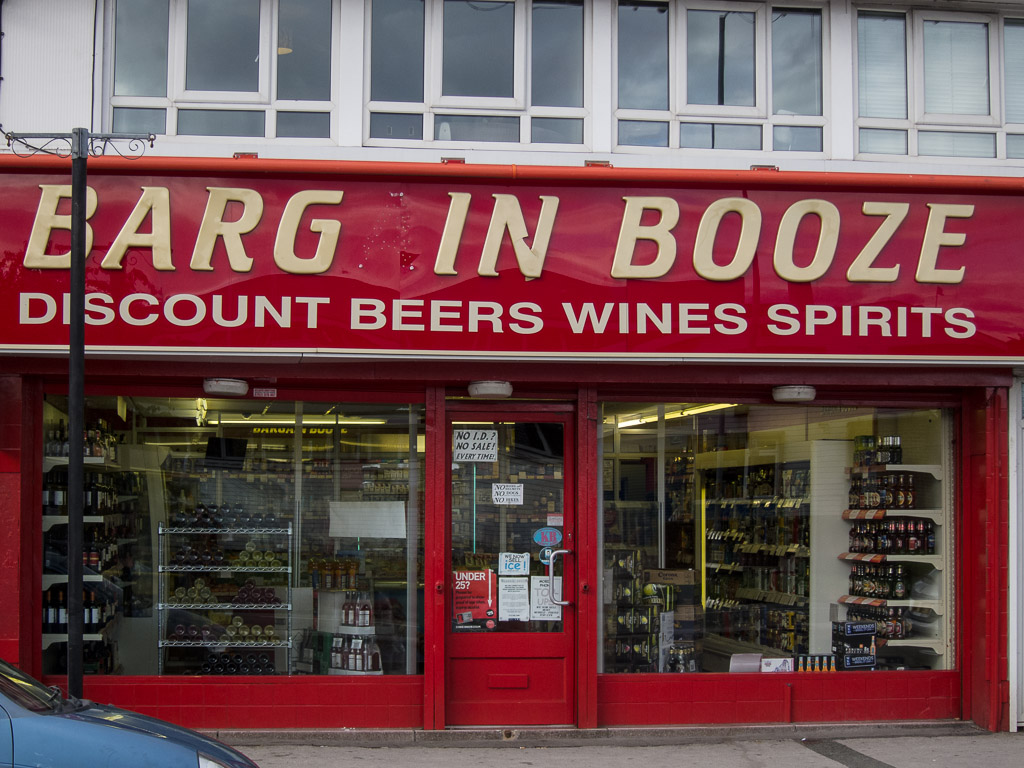
But what does this actually mean? Continue reading Alcohol outlet densities correlate with alcohol-related health outcomes in Scotland: but so what?
Mapping life expectancy in Scottish Parliamentary Constituencies
By Helena Tunstall, Elizabeth Richardson & Jamie Pearce
New life expectancy at birth figures for 2011-2013 for Scottish Parliamentary Constituencies have just been released by National Records of Scotland (NRS). We’ve mapped and graphed these data to illustrate the latest geographical patterns of mortality in Scotland. Continue reading Mapping life expectancy in Scottish Parliamentary Constituencies
‘An environment where young people choose not to smoke’ is not one where tobacco products are sold on every street corner
By Niamh Shortt
Teenagers are more likely to smoke if they live in areas with the highest number of tobacco retailers. Our paper led by Niamh Shortt, published today in Tobacco Control, examined the relationship between tobacco outlet density and smoking habits of 13 and 15 year olds in Scotland. Continue reading ‘An environment where young people choose not to smoke’ is not one where tobacco products are sold on every street corner
Food environments around schools: what historical data might reveal about current obesity patterns
Life course, environments & health
We know that factors throughout life influence our health and well-being in older age. Childhood poverty, early life education, difficult life events and many other factors have been shown to be strongly related to subsequent health outcomes. Yet almost all of this work has focused on our individual circumstances, and there have been few attempts to consider whether a wider set of factors – such as those at the community or neighbourhood level – affect our health over the life course. This is perhaps a surprise given the evidence that features of our local environment – such as air pollution, green space, and high numbers of retailers selling fast food, alcohol or cigarettes – are often associated with current health status. If these factors are causally related to health then there may be a number of policy opportunities (e.g. see our recent post on alcohol retail licensing). Continue reading Food environments around schools: what historical data might reveal about current obesity patterns
Alcohol-related health is worse in Scottish neighbourhoods with more alcohol outlets
By Elizabeth Richardson
Alcohol-related death rates in Scottish neighbourhoods with the most alcohol outlets are more than double those in neighbourhoods with the fewest, even once socioeconomic deprivation is taken into account, according to a CRESH report published today. The research is being presented today at Alcohol Focus Scotland‘s National Licensing Conference. This blog summarises the background to the research, the key findings, and what this means for reducing further alcohol-related harm. Continue reading Alcohol-related health is worse in Scottish neighbourhoods with more alcohol outlets
Are people in poor health more likely to move to poorer quality physical environments?
By Helena Tunstall
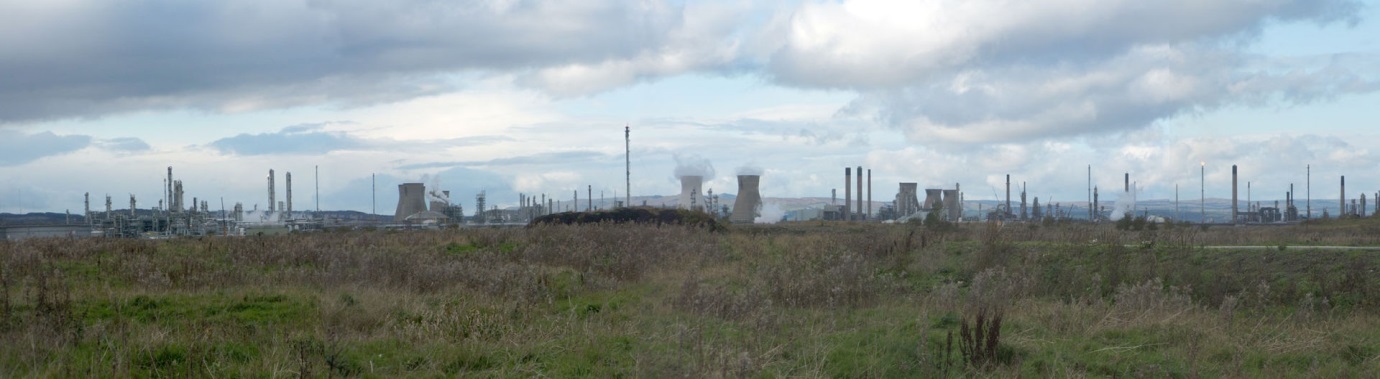
It is well known that people living in neighbourhoods with poorer quality physical environments tend to have worse health than those living in better quality environments. For example, those in areas with higher levels of air pollution have greater risk of death from respiratory and cardiovascular disease. However, the vast majority of these studies do not consider the possibility that patterns of residential moves may concentrate people with poorer health in certain types of environments. This is important because it is feasible that the links between the environment and health may, at least partially, be explained by the migration of people with poorer health to poor quality environments. Continue reading Are people in poor health more likely to move to poorer quality physical environments?
Job available at CRESH, analysing travel behaviours and accident data
We have a 12 month research post available here in Glasgow. The post holder will contribute to an interdisciplinary study of the health impacts of a new urban motorway, funded by the National Institute for Health Research (NIHR). The post holder will develop and deliver quantitative analysis of existing national datasets to evaluate the impact of the motorway on road traffic casualties, and to describe concurrent regional and national trends in travel behaviour and neighbourhood perceptions. We’re looking for someone with experience in using time series models. Continue reading Job available at CRESH, analysing travel behaviours and accident data
Watch CRESH seminar on YouTube: Why is urban health so unequal?
Why is urban health so unequal?
CRESH member Prof Jamie Pearce recently contributed to an event jointly organised by the Global Environment and Society Academy (GESA) and the Global Health Academy to deliver a public seminar series exploring the complex relationships between environment and health. The seminar series marks The Year of Environment and Health and will examine key issues such as urbanisation, population growth, extreme weather, pollution and ecosystem services through the lens of global environmental change. You can watch the public lecture here:
New environment and health postdoc position available
We are looking for a postdoctoral researcher to join us for a period of at least 18 months. The post will be based at the School of GeoSciences, University of Edinburgh. Continue reading New environment and health postdoc position available
New MRC funded PhD studentship available, looking at our environment, our biology and healthy ageing
We have an exciting opportunity for a fully funded PhD place at the University of Glasgow. The project will join health geography / epidemiology, environmental science and cell biology. The project will be supervised by Profs Rich Mitchell, Paul Shiels and Ewan Macdonald. The funding comes from the MRC. The financial package will include a 3.5-year stipend, approved University of Glasgow fees, Research Training Support Grant (RTSG) and a conference allowance. Continue reading New MRC funded PhD studentship available, looking at our environment, our biology and healthy ageing
Does deindustrialisation explain low levels of physical activity in the UK?
by Esther Rind
In the UK, as in many other affluent countries, levels of physical activity have been declining in recent decades. In many areas with a history of heavy manual employment levels of physical activity are particularly low. This has been linked to a considerable reduction in work-related activities, coupled with a generally more sedentary life-style and the development of broader environmental factors unconducive to physical activity (e.g. increased traffic makes walking and cycling less safe and attractive). Furthermore, previous research has highlighted that participation in leisure-time physical activity is relatively low across those employed in physically demanding industries. Low levels of recreational physical activity in combination with a considerable loss of work activity would therefore result in particularly low activity levels in the former manual workforce. Continue reading Does deindustrialisation explain low levels of physical activity in the UK?
Will the new point of sale legislation in Scotland influence young people’s knowledge and attitudes of tobacco products?
By Jamie Pearce & Catherine Tisch
Smoking remains one of the most significant public health challenges in Scotland and is implicated in one in every five Scottish deaths. Each year, around 15,000 young Scottish people start smoking and many go on to become regular smokers. Since the introduction of the Tobacco Advertising and Promotion Act in 2005, most forms of tobacco advertising and sponsorship in the UK have been banned. One of the few ways the tobacco industry can legitimately promote their products (often by elaborate and prominent means) is via point of sale (POS) tobacco displays. A recent systematic review showed that POS displays increased children’s susceptibility to smoking, experimentation and initiation into smoking. Continue reading Will the new point of sale legislation in Scotland influence young people’s knowledge and attitudes of tobacco products?
Social differences in pollution across the EU may help to explain health inequalities
As a European Commission report and an important academic paper have recently reminded us, air pollution remains a persistent threat to population health across Europe. Pollutants such as particulate matter and ozone are among the leading causes of premature mortality and respiratory-related health outcomes. Globally, exposure to air pollution ranks as one of the top ten risk factors for health. Continue reading Social differences in pollution across the EU may help to explain health inequalities
What is equigenesis and how might it help narrow health inequalities?
The health gap between more and less advantaged people persists in many countries and settings around the world, including the UK and Scotland. There is masses of research on these health inequalities. We understand that they are caused by systematic differences in access to things like a good education, good and consistent employment, reasonable income level, a safe physical environment and participation in supportive social networks. Continue reading What is equigenesis and how might it help narrow health inequalities?
CRESH goes Stateside: International Medical Geography Symposium 2013
by Helena Tunstall, Catherine Tisch and Anna Kenyon
The 15th International Medical Geography Symposium, the biggest international academic health geography conference, took place July 7-12 this year, at Michigan State University (MSU) in East Lansing, USA. This conference is always a fun, friendly and inspirational meeting: a real CRESH highlight. This time we were represented by Helena Tunstall (presenting on ‘triple jeopardy’ in England and impacts of internal migration on health inequalities in UK), Anna Kenyon (presenting on walkability measures and walking outcomes in Scotland) and Catherine Tisch (presenting on tobacco environments and adolescent smoking behaviours in Scotland). Abstracts for these talks can be found in the program, but watch this space for news of forthcoming publications on these topics. In this short blog post we note some thoughts arising from the conference. Continue reading CRESH goes Stateside: International Medical Geography Symposium 2013
Life expectancy changes in European regions over two decades: have the gaps narrowed or widened?
In CRESH’s latest publication, in the European Journal of Public Health, we look at health inequalities across Europe from a geographical perspective: tracking how life expectancy changed between 1991 and 2008 within 129 regions of 13 countries (combined population 272 million in 2008). Across this period life expectancies improved in every region (see maps below). But we find no evidence that geographical inequalities narrowed during this time, despite efforts to reduce the gap. In Eastern European regions the life expectancy gap for males actually widened. We then investigate whether the inequalities could be “explained” by socioeconomic disparities between the regions – measured as regional-average household income (in comparable units). We find that household income differences could partly explain the life expectancy gaps, although not for female Eastern Europeans. Continue reading Life expectancy changes in European regions over two decades: have the gaps narrowed or widened?
Alcohol and tobacco environments and adolescents’ health behaviours: future talk on CRESH research in Edinburgh
Title: Alcohol and tobacco environments in Scotland and their relationship with adolescent behaviour
Presenter: Dr Niamh Shortt
Date: Thursday 25th July 2013
Time: 11:00 am
Venue: Seminar Room, Scottish Collaboration for Public Health Research and Policy (SCPHRP), 20 West Richmond Street, Edinburgh, EH8 9DX (next door to the Mackenzie Medical Centre) Continue reading Alcohol and tobacco environments and adolescents’ health behaviours: future talk on CRESH research in Edinburgh
CRESH research on children and the outdoors mentioned in House of Lords debate
Research by Rich Mitchell was mentioned in a House of Lords debate on 16 May. The debate centred on the contribution of outdoor activities to the United Kingdom economy and to the health and well-being of the population. The research cited was completed in 2009. Rich Mitchell and Rebecca Shaw followed a group of children (average age 13) undertaking an outdoor education scheme; the John Muir Award. The children completed questionnaires before, during and then 18 months after, their Award experience. The study showed massive inequalities in experience of outdoor environments. Children living in the poorest circumstances were over 6 times more likely to have had no prior experience of wild places than their more affluent peers. The study showed that participation in the Award increased aspirations for visiting the outdoors, particularly among the most deprived children, but it did not affect actual visiting behaviour.
You can find out more about the John Muir Award here
There is a summary of the research here
The full report is here
The Built Environment and Habitual Physical Activity: CRESH Seminar by Takemi Sugiyama
Title: The Built Environment and Habitual Physical Activity
Presenter: Takemi Sugiyama
Date: Tuesday 28th May 2013
Time: 1200 – 1300 hrs
Venue: Old Library, Institute of Geography, Drummond Street, EH8 9XP.
 CRESH
CRESH 